


What to Expect During a Comprehensive Eye Exam
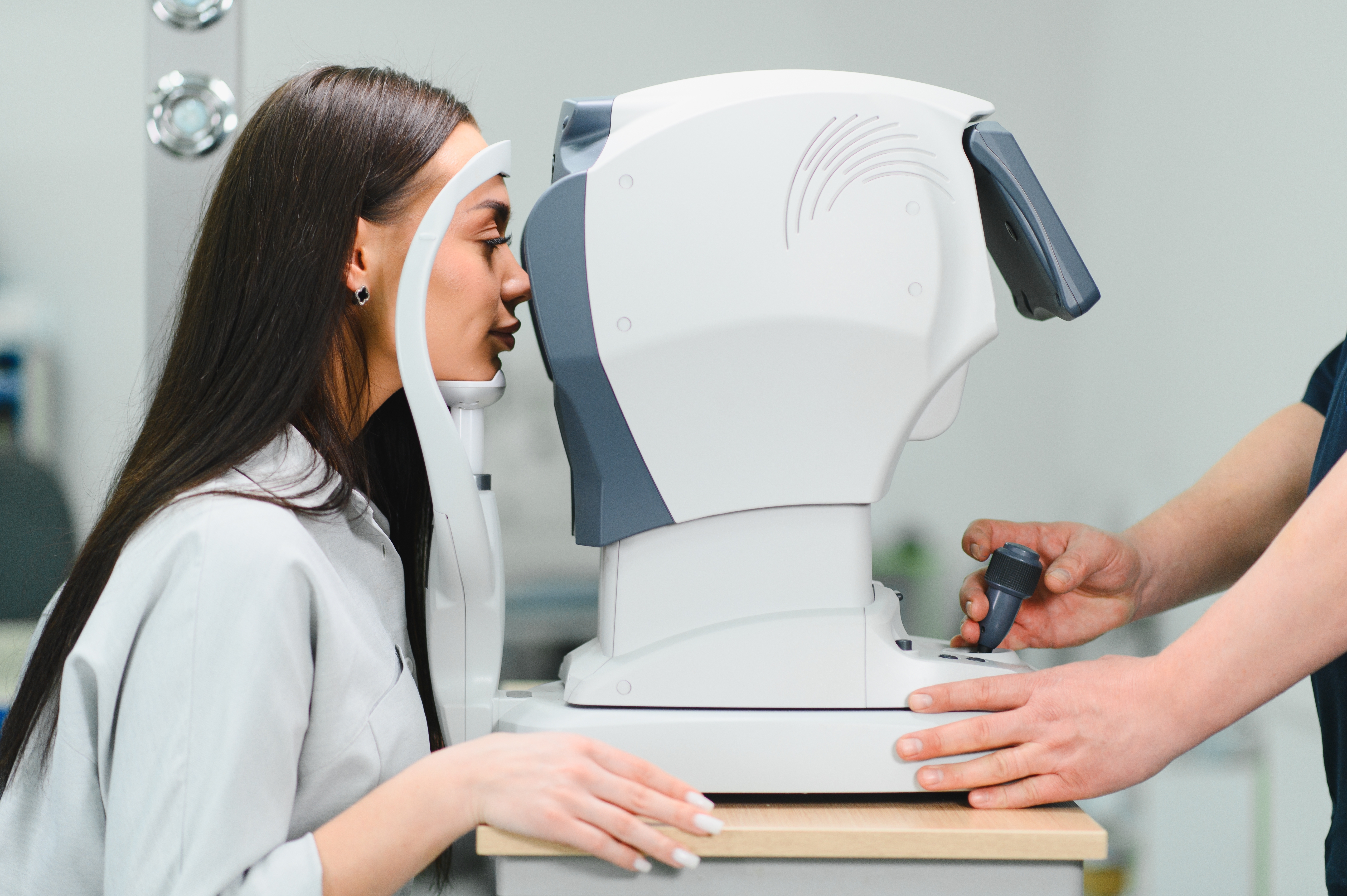
If you have not had an eye exam in a while, you might not remember what happens during the visit. It is more than just reading letters on a chart; it is a full eye checkup that can show more than just whether you need glasses. Here is what you can expect.
What Is a Comprehensive Eye Exam?
This is a thorough eye exam performed by an optometrist or ophthalmologist. It usually takes about 30 to 60 minutes, which is longer than a quick screening. The exam checks your vision and eye health. Many eye problems lack early symptoms, so this exam can detect issues before they affect your vision.
What Happens During the Exam
The exam is painless and includes several tests. Each test looks at a different part of your vision or eye health.
- Visual Acuity Test
Most people know this part. You read letters from a chart across the room to see how well you can see far away. You may also read from a small card up close to check your near vision.
- Refraction Test
If you need glasses, this test helps find your prescription. You look through a device called a phoropter while the doctor switches lenses. You tell the doctor which lenses make the letters look clearer. This helps them choose the best prescription for you.
- Pupillary Response Test
The doctor shines a light into each eye to see how your pupils react. This checks if your pupils get smaller or larger as expected. If the pupil reacts in an unusual way, it can be a sign of other health problems.
- Eye Muscle and Alignment Tests
You follow a small light or pen with your eyes while keeping your head still. This test checks if your eye muscles work well and if your eyes are lined up correctly. If your eyes are not aligned, it can cause double vision or eye strain.
- Depth Perception Test
This test checks how well your eyes work together to perceive depth. You may wear special glasses and look at images to see if you can perceive depth correctly. Good depth perception is important for activities like driving and sports.
- Visual Field Test
This test checks your side vision, also called peripheral vision. You look straight ahead while the doctor moves objects in from the sides. Sometimes, a machine is used, and you press a button when you see lights flash at the edges of your vision. Blind spots can be an early sign of glaucoma.
- Color Blindness Test
You look at pictures made of colored dots. Some of the dots form numbers or shapes hidden in the background. If you have trouble seeing certain colors, it can be hard to spot these shapes.
- Tonometry
This test, also called the eye pressure test, measures the pressure inside your eyes. High pressure can raise your risk for glaucoma. Usually, your eye is numbed with drops and touched gently with a small tool. Sometimes, the doctor uses a puff of air test, but it is less accurate.
- Slit Lamp Exam
You sit at a special microscope with your chin and forehead resting on supports. The doctor shines a bright light to examine the front of your eye. They will specifically check your eyelids, cornea, iris, and lens. This test can find cataracts, scratches, or other problems.
- Dilated Eye Exam
This test involves the doctor putting drops in your eyes to dilate your pupils. It takes about twenty to thirty minutes for the drops to work. Once your pupils are dilated, the doctor can see more of the inside and back of your eye. They will check your retina, optic nerve, and blood vessels for signs of disease. You might experience blurriness and eye sensitivity in bright environments for a few hours after.
- Corneal Mapping
This test makes a detailed map of your cornea’s surface. It is not always part of a regular exam, but it may be used if you have astigmatism, need special contact lenses, or are thinking about eye surgery.
For more on comprehensive eye exams, visit Eyes on the City. Our office is in Seattle, Washington. Call (206) 588-2814 to book your appointment.
https://www.allaboutvision.com/eye-care/eye-exam/what-to-expect/
https://www.aoa.org/healthy-eyes/caring-for-your-eyes/eye-exams


Powered by
